The Role of Lighting in Interior Design
Discover how proper lighting design transforms interiors, enhancing mood, functionality, and overall spatial experience.
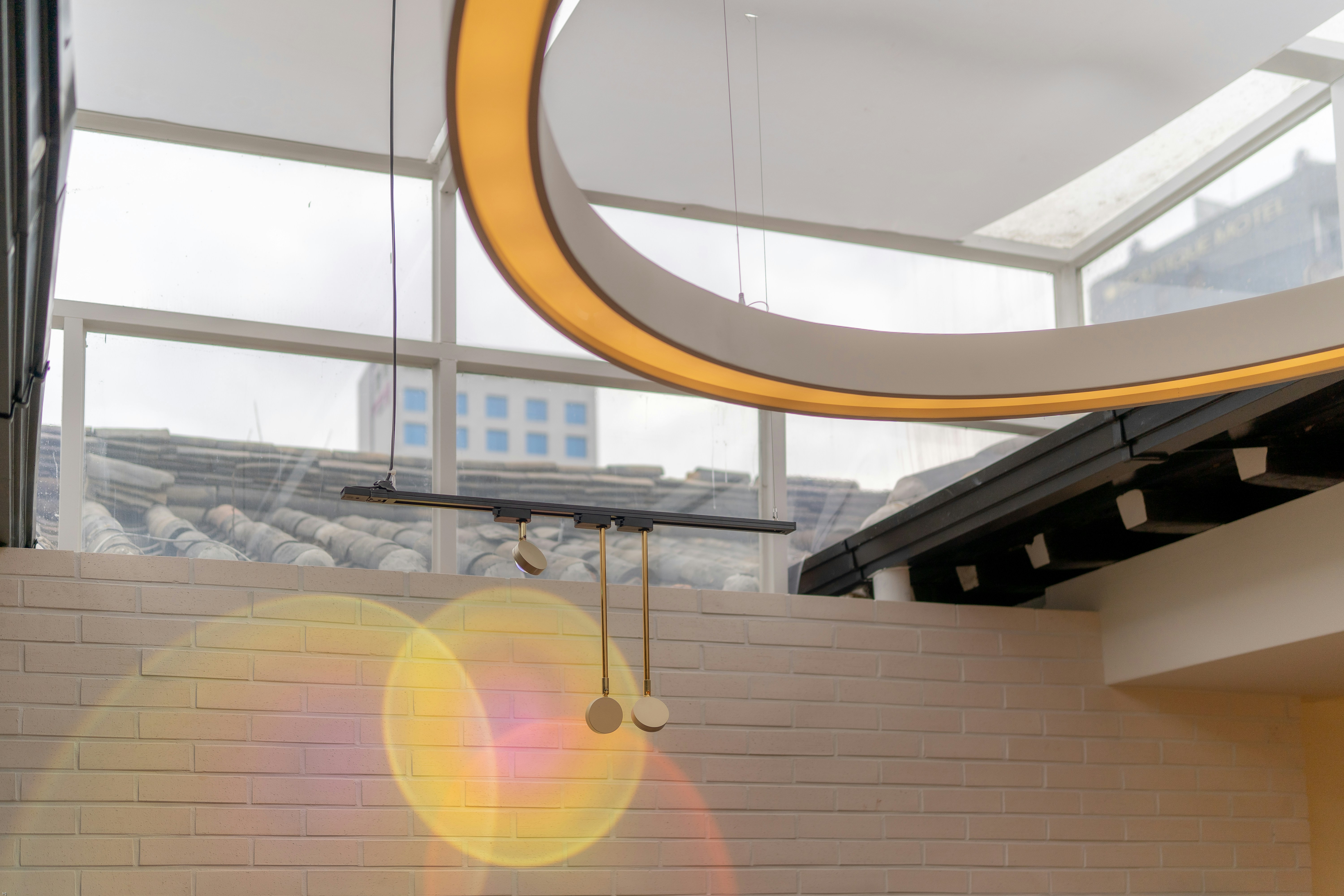
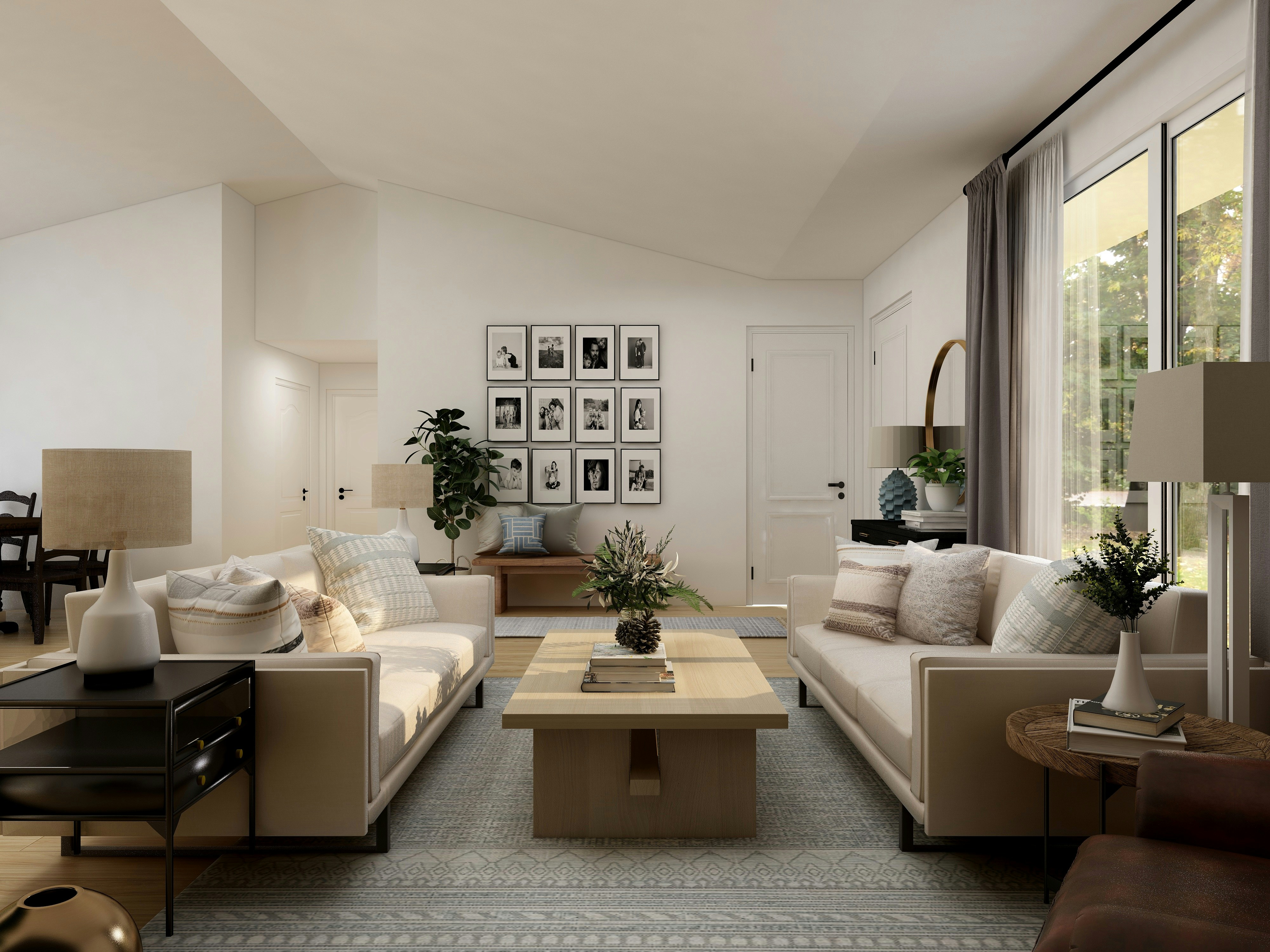
Lighting plays a critical role in shaping interior experiences. It influences mood, visibility, and spatial perception while affecting how materials and colors appear. Well-designed lighting enhances comfort and usability across different activities and times throughout the day.
Effective lighting design combines ambient, task, and accent lighting. Layering these elements ensures balanced illumination while supporting specific functions such as working, relaxing, or entertaining without relying on a single light source.
Natural light should be maximized whenever possible. Strategic window placement, reflective surfaces, and light finishes help distribute daylight evenly, reducing dependence on artificial lighting while creating healthier, more energy-efficient interior environments.
Artificial lighting requires careful selection of brightness and color temperature. Warm lighting promotes relaxation, while cooler tones support focus and productivity. Matching lighting characteristics to space function ensures comfort without visual fatigue or harsh contrast.
When thoughtfully planned, lighting enhances both function and aesthetics. It highlights architectural features, improves spatial clarity, and creates atmosphere, transforming interiors into environments that feel intentional, welcoming, and responsive to user needs.
Harpies
Harpies Interior Design delivers high-quality, aesthetic solutions for homes and businesses through creativity, precision, and clear communication.
Date
January 14, 2026
Share