Designing Spaces That Feel Functional
Learn how thoughtful interior design creates functional spaces that support comfort, efficiency, and everyday living needs.

Paragraph 1 (40 words):
Functional interior design prioritizes how people move, live, and work within a space daily. Beyond visual appeal, designers consider circulation, furniture placement, storage requirements, and user behavior to ensure interiors support comfort, efficiency, and long-term usability.
Paragraph 2 (40 words):
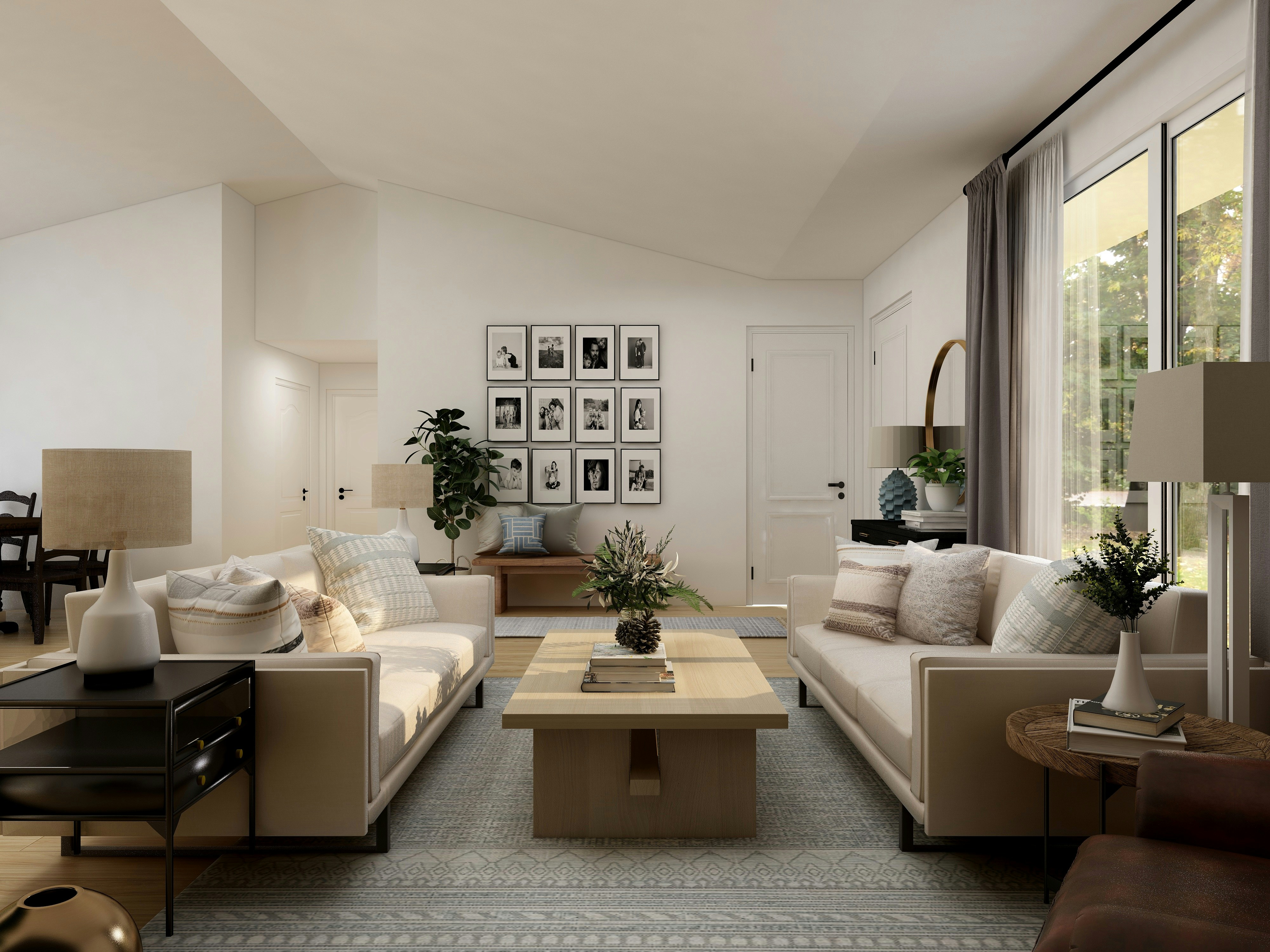
A well-planned layout improves flow between rooms and minimizes wasted areas. Clear spatial organization helps occupants navigate interiors intuitively, reducing physical barriers while creating comfortable transitions between public, private, and functional zones within residential and commercial environments.
Paragraph 3 (40 words):
Furniture scale and proportion strongly affect usability. Oversized furniture can restrict movement, while undersized pieces disrupt balance. Selecting appropriately sized furniture ensures comfort, functionality, and visual harmony while allowing interiors to perform efficiently without feeling crowded or incomplete.
Paragraph 4 (40 words):
Integrated storage solutions are essential for functional interiors. Built-in cabinetry, concealed compartments, and multifunctional furniture reduce clutter while maintaining clean visual lines. Thoughtful storage planning supports organization, simplifies maintenance, and enhances long-term practicality within everyday living spaces.
Paragraph 5 (40 words):
Ultimately, functional design improves quality of life. When interiors respond to real daily needs, they become easier to use, maintain, and enjoy. Purpose-driven design creates spaces that remain relevant, comfortable, and adaptable as lifestyles evolve over time.
Harpies
Harpies Interior Design delivers high-quality, aesthetic solutions for homes and businesses through creativity, precision, and clear communication.
Date
January 14, 2026
Share
Blog